Culinary Creative Process
The beautiful historic building at 689 Main Street has recently undergone a change of ownership and transformation, now known as Sprazzo. They opened their doors earlier this month. We got a chance to speak with Chef Daniel Leon on how he considers creating a meal his form of art, and what we can get excited about in Carbondale’s newest restaurant.
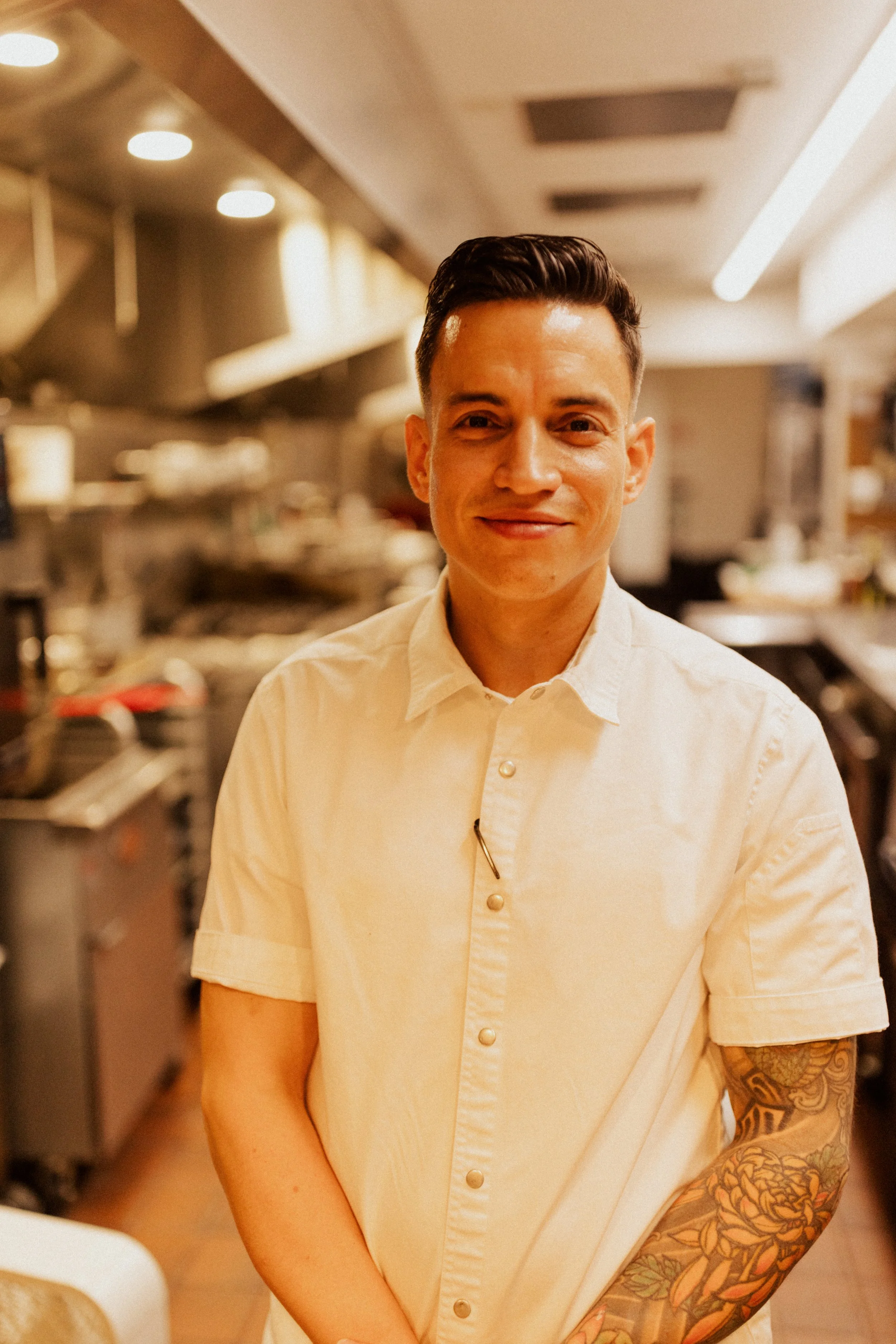
The Carbondale Creative District is an ecosystem of creativity in all its forms and that most certainly includes the culinary arts. Can you tell us a bit about your background in the culinary arts and what you enjoy most about the creative process?
“I’ve always wanted to be a chef, so I trained at Le Cordon Bleu in Pasadena. Since then, I’ve had some incredible opportunities in the culinary arts including being the Sfoglino at Felix Trattoria in LA, and being Chef de Cuisine at Niwa in Dallas, Safta in Denver, and Anderson Ranch in Snowmass.”
“I love every step of the creative process. I enjoy thinking about the composition of each dish to make sure it’s got all the elements for a perfect bite. It’s fun taking everyday food items and transforming them into something a little special.”
“It’s fun taking everyday food items and transforming them into something a little special. After we have individual menu items, we piece together a thoughtful menu that’s balanced and exciting. And of course, nothing beats peak service when the team has to come together and deliver.”
In a close-knit community like Carbondale, food plays an important role in bringing people together. Can you share how you may see food functioning as a medium for connection?
"Food has a unique way of bringing people together. In a small mountain community like Carbondale, sharing a meal creates everyday moments where conversations happen, stories get passed on, and relationships grow. When food is made with joy it becomes less about what’s on the plate and more about building a sense of belonging.”
Agricultural heritage is important in the Roaring Fork and Crystal Valleys. What connection or role do you see, or hope to see, between the culinary arts and the agricultural producers? Does Sprazzo have any collaborations with local farmers, ranchers, and/or artisans that shape your menus, presentation, or dining experience?
"Of course! We currently have partnerships with Marigold Livestock Co., Nieslanik Beef, and Toadstool Traditions. We haven’t been open for a summer season yet, but we’ve already visited farms up and down the valley and are thrilled to offer hyper-local seasonal specials as the year progresses.”
Photos by Oliver Sutro
What are you most excited about for Sprazzo and your role as the chef? Can you tell us about what people can expect and what they should be on the lookout for?
“Beyond the food, I’m most excited about the energy we’re bringing to this historic building – from our café to our happy hour to the dinner program, everything we do here is about delivering an experience that extends beyond the plate. We want people to enjoy our space in a variety of ways and we’re focused on a food program that works for different occasions.
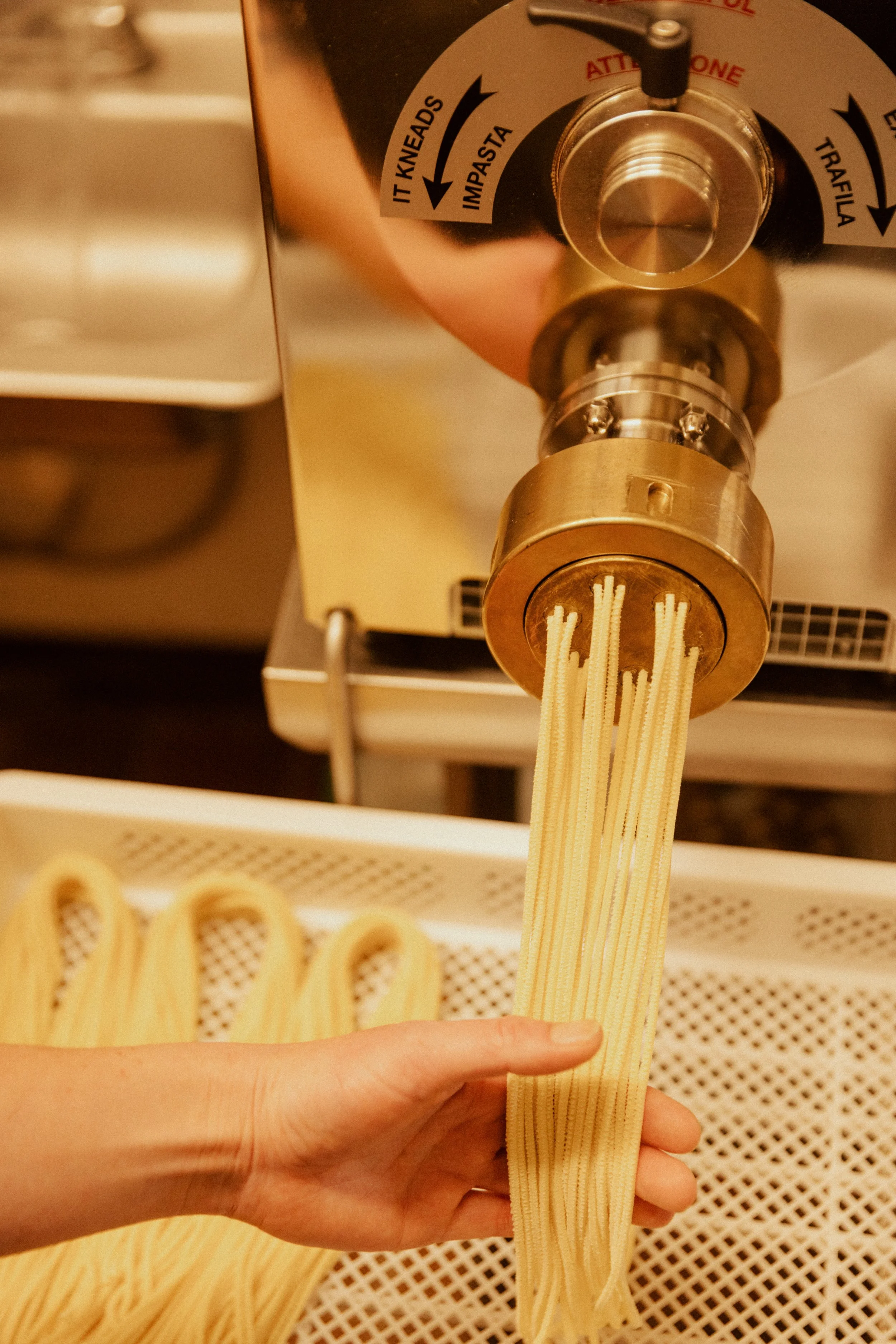
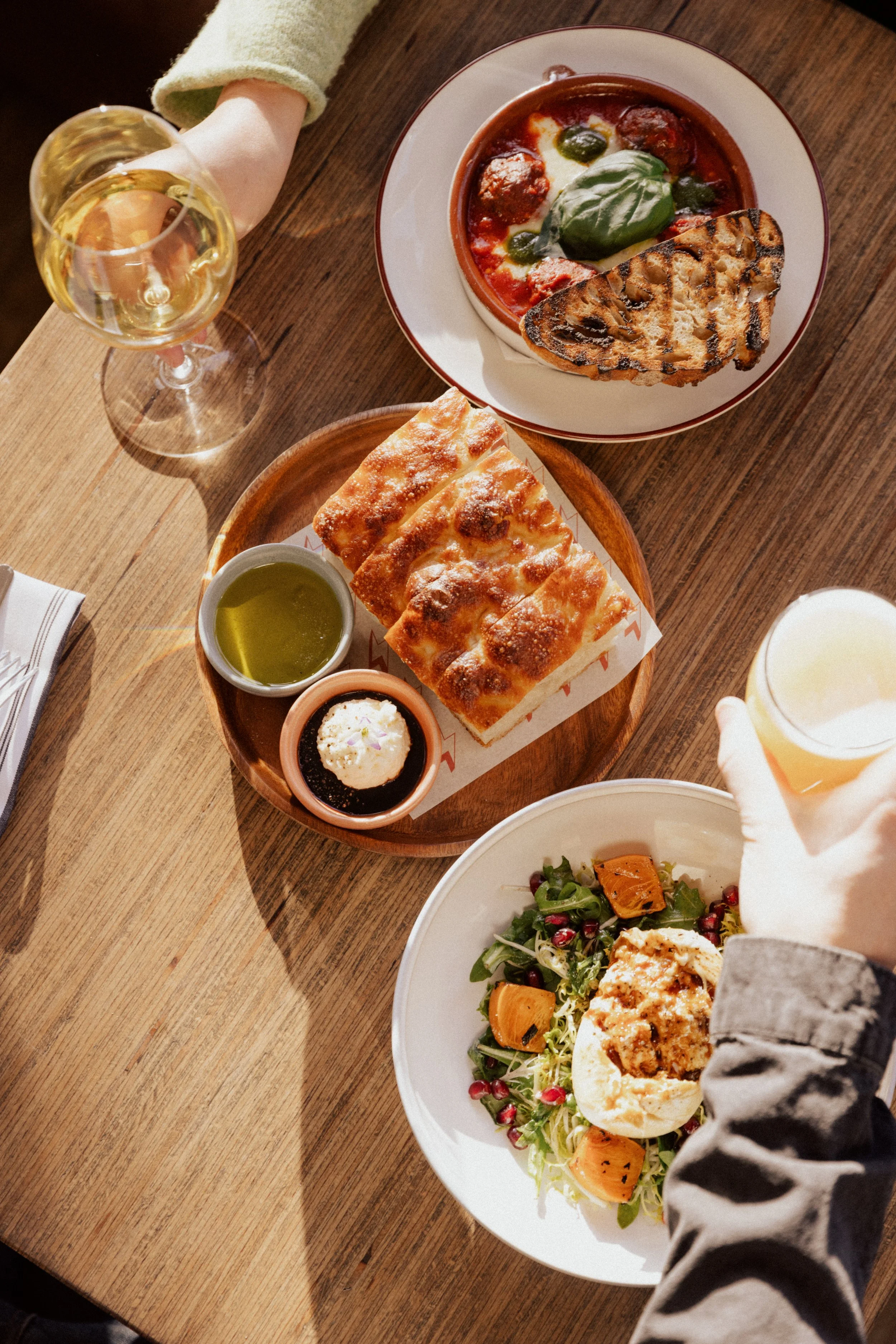
As chef, I’m enjoying our scratch Italian concept and our accessible price point. We’re not cutting any corners here – we do our pastas (including gluten free) and focaccia in-house daily with imported Italian flour. We have an exciting menu that reflects the diverse regions of Italy. People are telling us they wish they had larger groups so they could try more of the menu – so come with friends and family!”

Hours of operation:
Wednesday - Saturday: 7am - 1pm & 4pm - 9pm
Learn more at sprazzocarbondale.com, or follow them on social media @sprazzo.carbondale